c0n73x7_c0ll4p53
Video
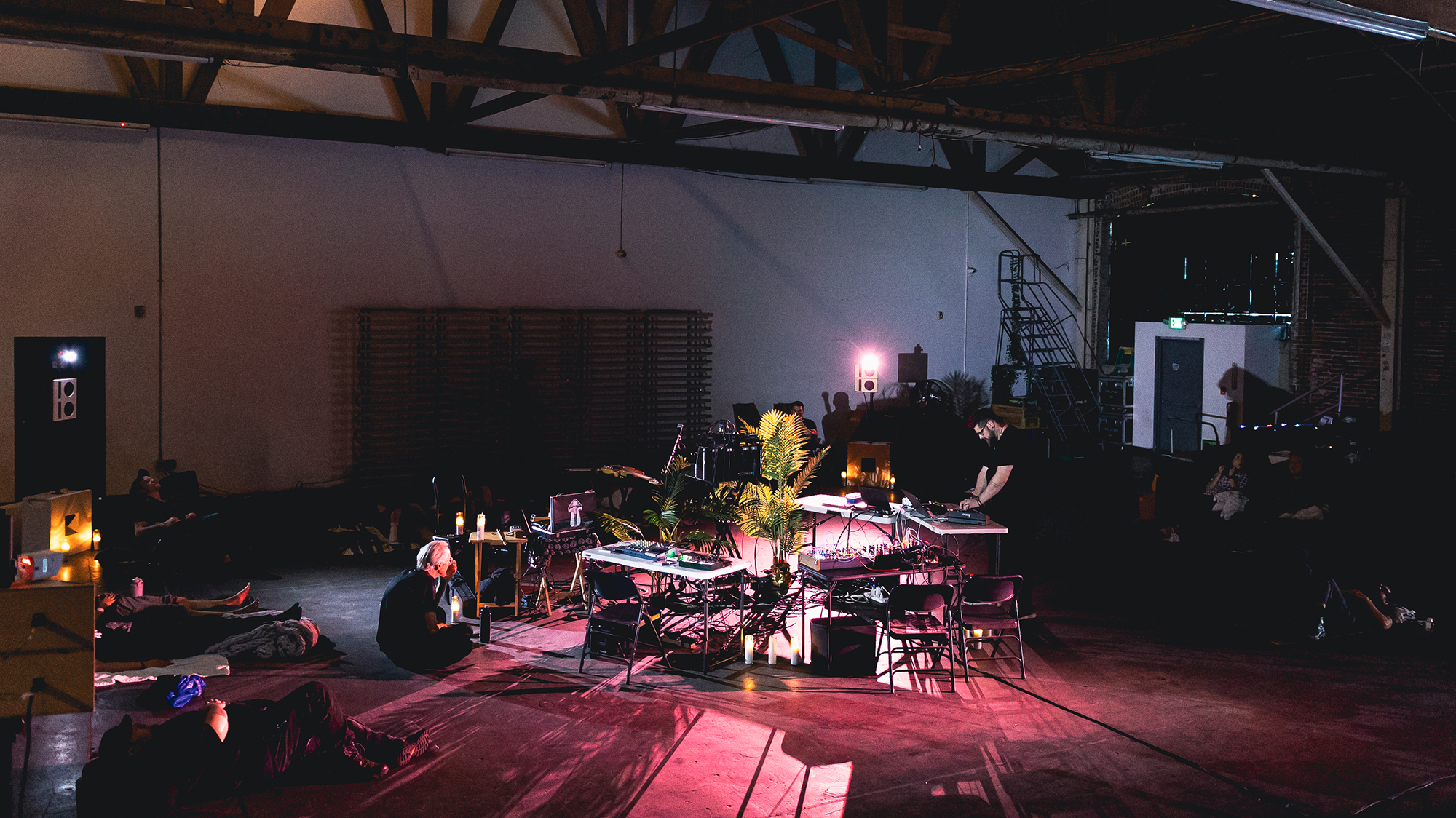

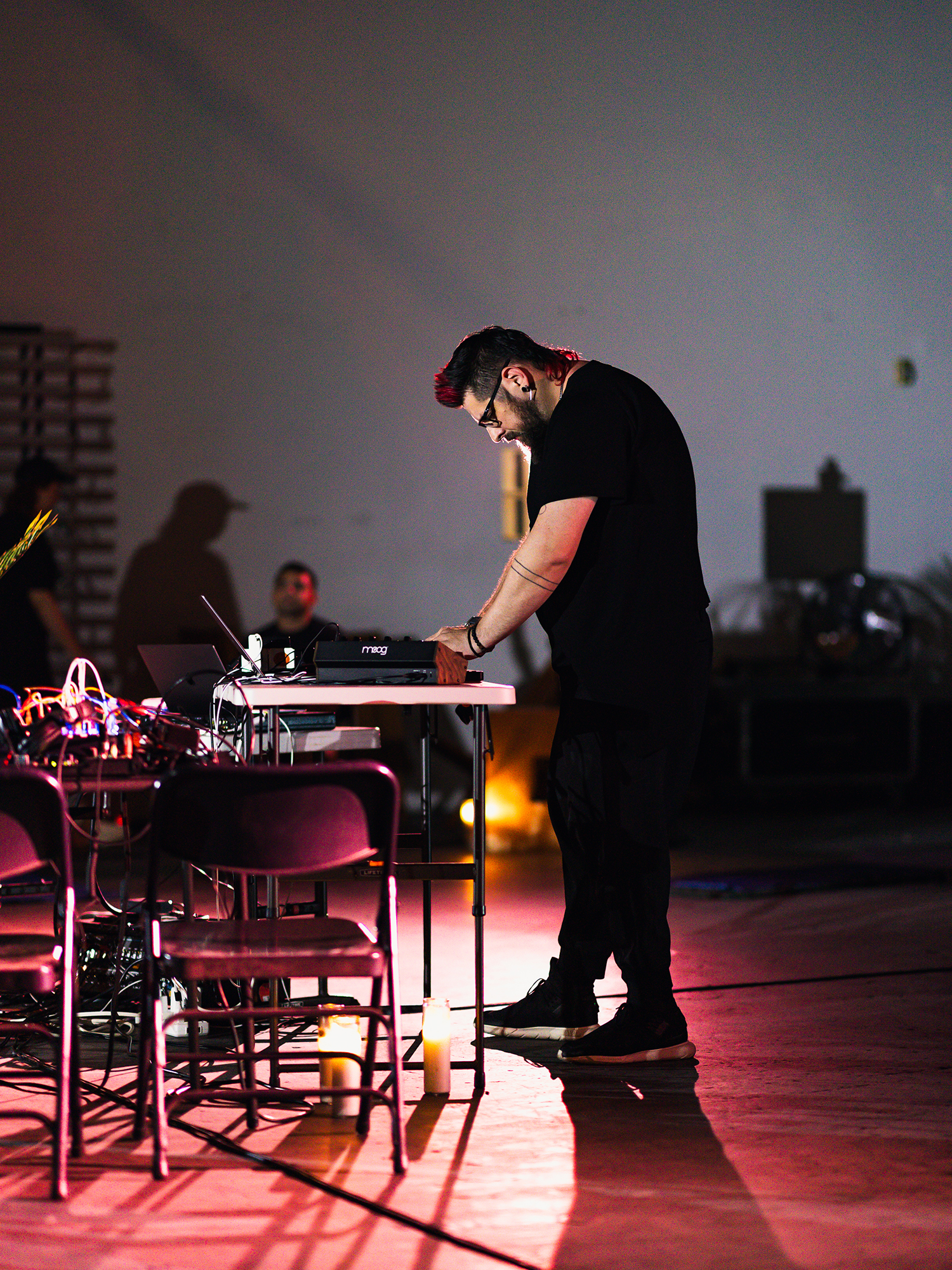



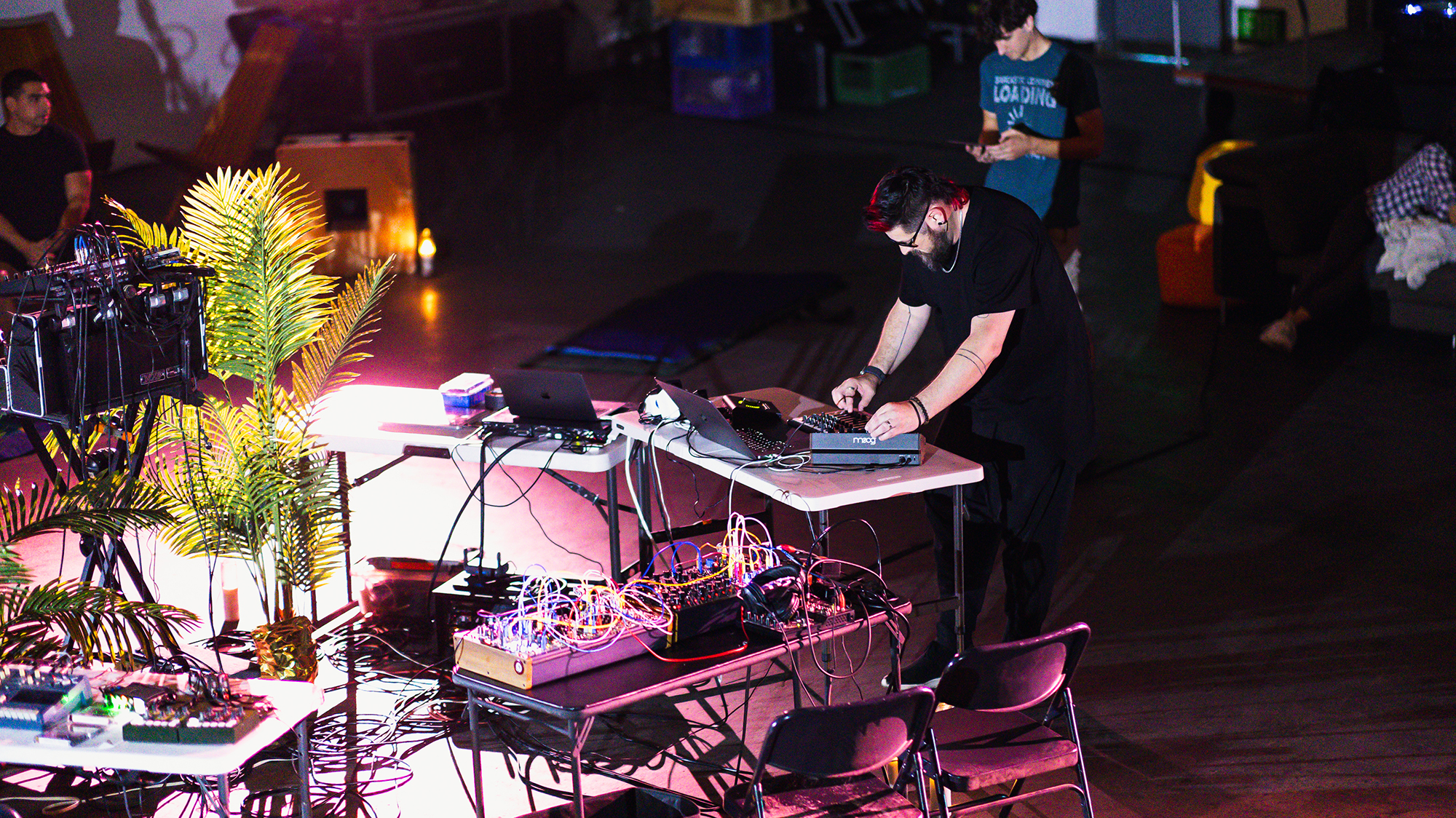
Continuity examines the paradoxical nature of truth and transparency in our contemporary information landscape. Borrowing its name from the artificial intelligence in William Gibson’s Mona Lisa Overdrive—a system that transcends its original purpose as a data collector and editor to actively intervene in the physical world—this work explores how mechanisms for establishing truth often function in direct opposition to their stated purpose.
From government oversight initiatives to digital platforms promising connection, these structures often serve to obscure rather than illuminate. As our systems for verification grow more sophisticated, they paradoxically become more effective tools for manipulation. Privacy itself has been transformed from a fundamental right into a commodity—marketed as an exclusive service while pushing us out of increasingly surveilled public spaces. Each new layer of transparency creates new shadows where reality can be distorted, and what is presented as access to truth becomes a means of managing what truths are accessible and how they are framed.
Built from 28 loops of field recordings and synthesizers, Continuity reflects the malleability of information through its form. These sonic elements can be reconfigured and reorganized in response to different performance contexts, mirroring how information systems recontextualize data to manipulate perception. Government transparency initiatives become sources for crafting specific narratives, while social media platforms function as sophisticated surveillance systems under the guise of free expression.
The performance suggests that perhaps the greatest deception lies not in obvious falsehoods, but in systems that present themselves as guardians of transparency while simultaneously undermining our ability to grasp reality. Continuity dwells in this space of contradiction, where the pursuit of truth does not just lead to its disappearance, but to its deliberate erasure.
Continuity examines the paradoxical nature of truth and transparency in our contemporary information landscape. Borrowing its name from the artificial intelligence in William Gibson’s Mona Lisa Overdrive—a system that transcends its original purpose as a data collector and editor, evolving to directly intervene in the physical world—the album explores how our mechanisms for establishing truth often function in direct opposition to their stated purpose.
From government oversight mechanisms to digital platforms promising connection and transparency, these structures often serve to obscure rather than illuminate. Government transparency initiatives, created to ensure public oversight, become sources for crafting specific narratives when selectively accessed and recontextualized. Social media platforms, presenting themselves as spaces for free expression, function as sophisticated surveillance systems, where the very act of sharing becomes data for collection. Most insidiously, privacy itself has been transformed from a fundamental right into a commodity—marketed as an exclusive service while pushing us out of increasingly surveilled public spaces.
Through three extended pieces, Continuity traces the tension that emerges as structures meant to provide certainty become instruments of its undoing. As our systems for verification grow more sophisticated, they paradoxically become more effective tools for manipulation. Each new layer of transparency seems to create new shadows, new spaces where reality can be distorted. What is presented as access to truth is, in practice, a means of managing what truths are accessible and how they are framed.
Built from 28 loops of field recordings and synthesizers, Continuity itself reflects the malleability of information. Its source materials include sounds collected in public spaces—where the act of recording itself embodies the surveillance impulse, transforming public experience into private data—as well as captured voicemails documenting systems of authority being weaponized for deception:
“This is Sergeant Jonathan Matts down here at the Dane county sheriff department. We were looking to establish contact with a Yann Novak, If you would please contact us back at *** *** ****. That is again *** *** ****…”
—Transcript of spoofed law enforcement call, 2024
These sonic elements can be reconfigured and reorganized in response to different performance contexts, reflecting how information systems can be used to recontextualize data to manipulate perception. The album crystallizes one possible iteration of this system—a demonstration of how malleable presentation can disguise itself as truth.
The album suggests that perhaps the greatest deception lies not in obvious falsehoods, but in systems that present themselves as guardians of transparency while simultaneously undermining our ability to grasp reality. It’s about the subtle ways our world becomes malleable, not through direct manipulation, but through the very frameworks we’ve built to try to understand and verify it. As context collapses and metrics become weapons, we find ourselves in an environment where tools supposedly meant to illuminate truth systematically serve to obscure it. Continuity dwells in this space of contradiction, where the pursuit of truth does not just lead to its disappearance, but to its deliberate erasure.
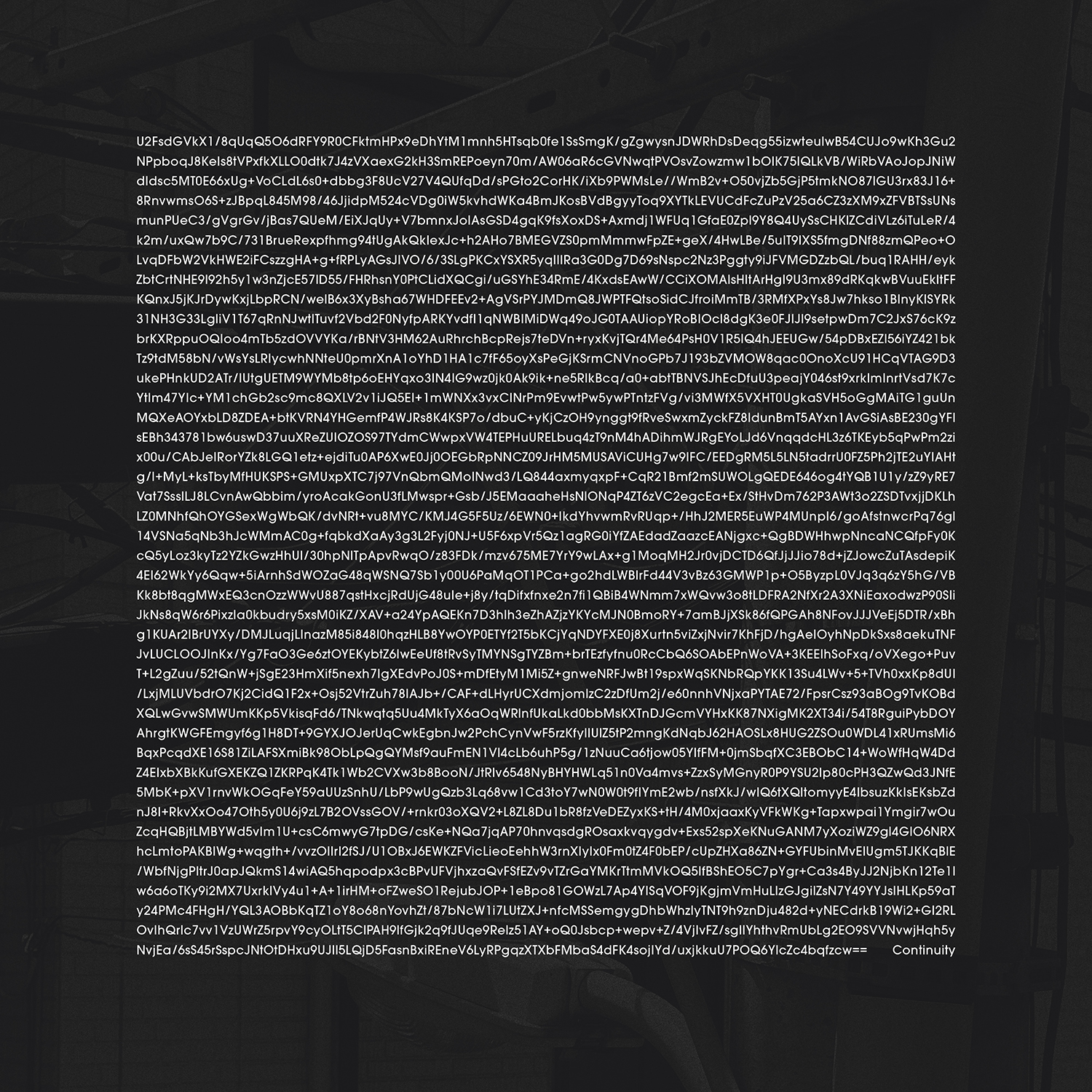
You can find a guide for decrypting the album artwork here.