The Voice of Theseus with G. Brenner

Audiovisual Performance
[FIG-01.006688.00006689]
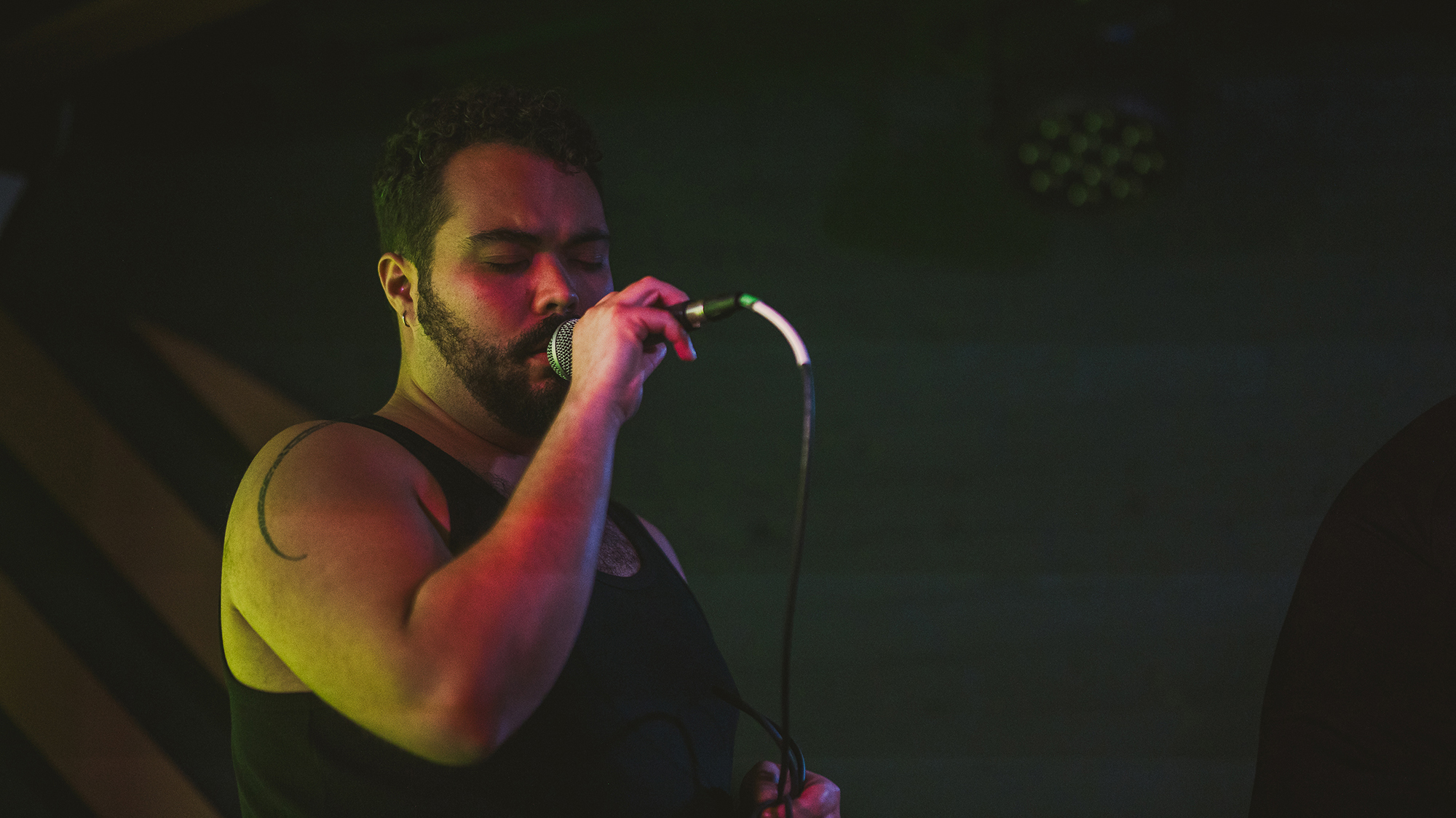
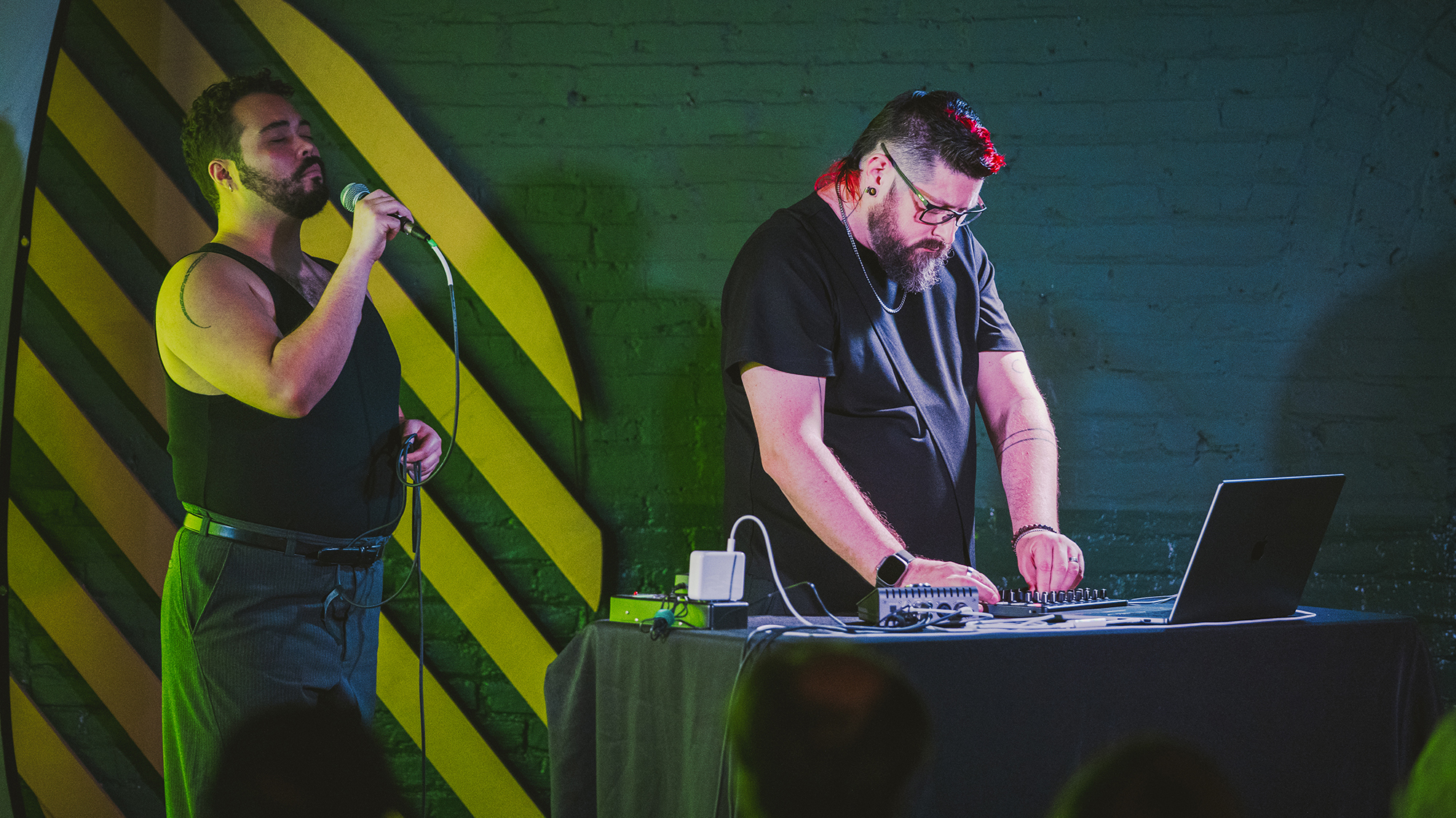
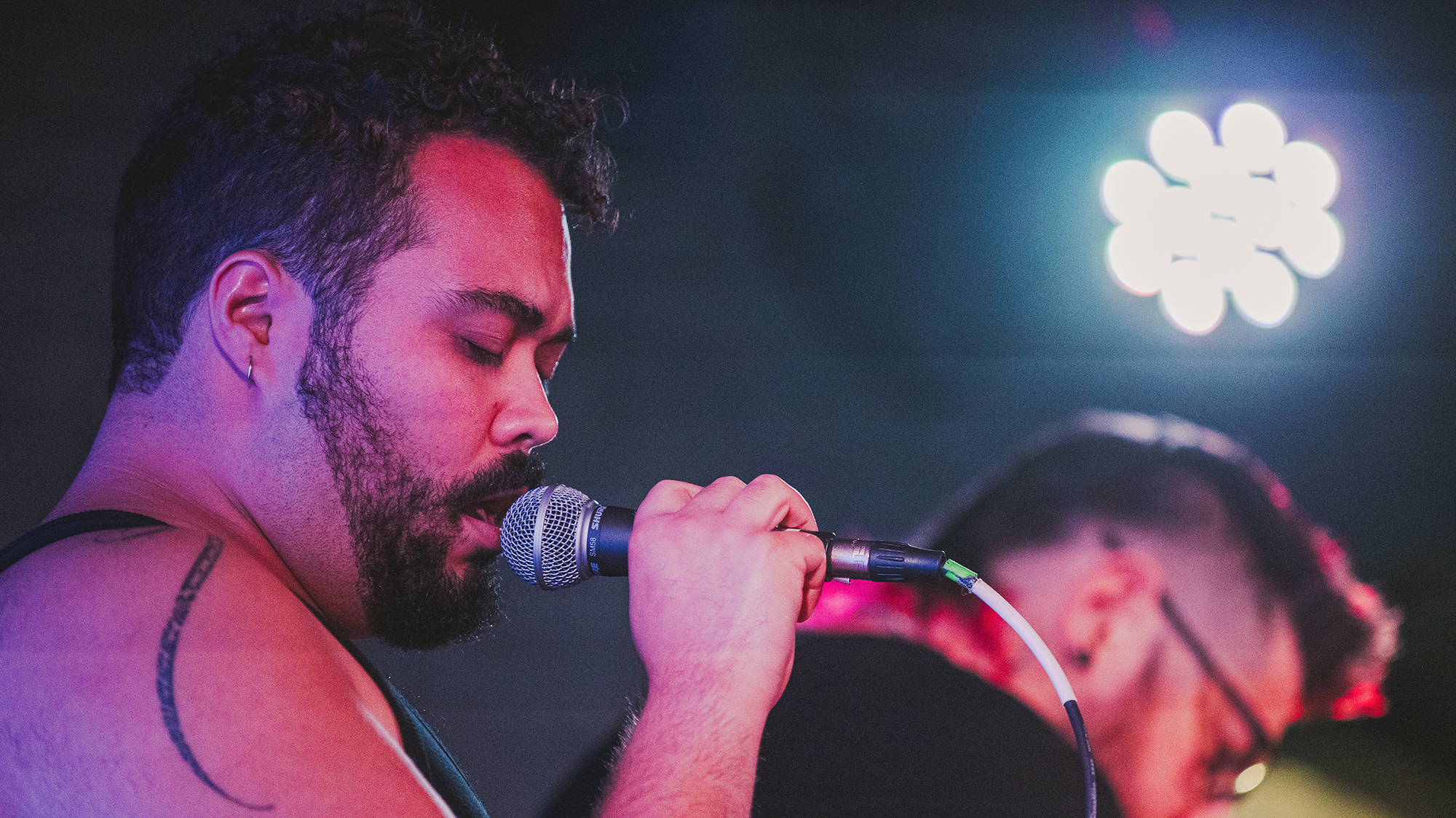
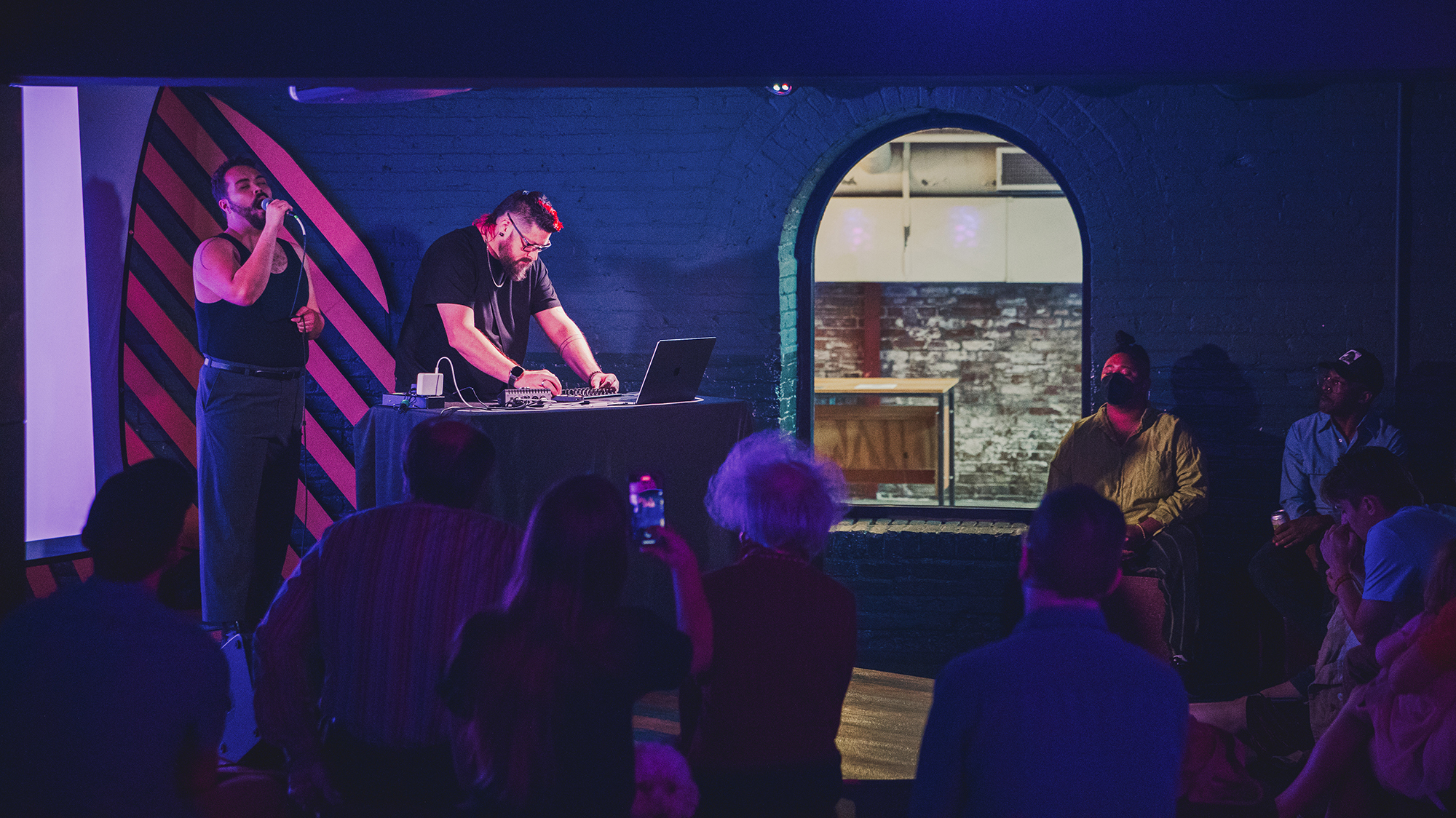
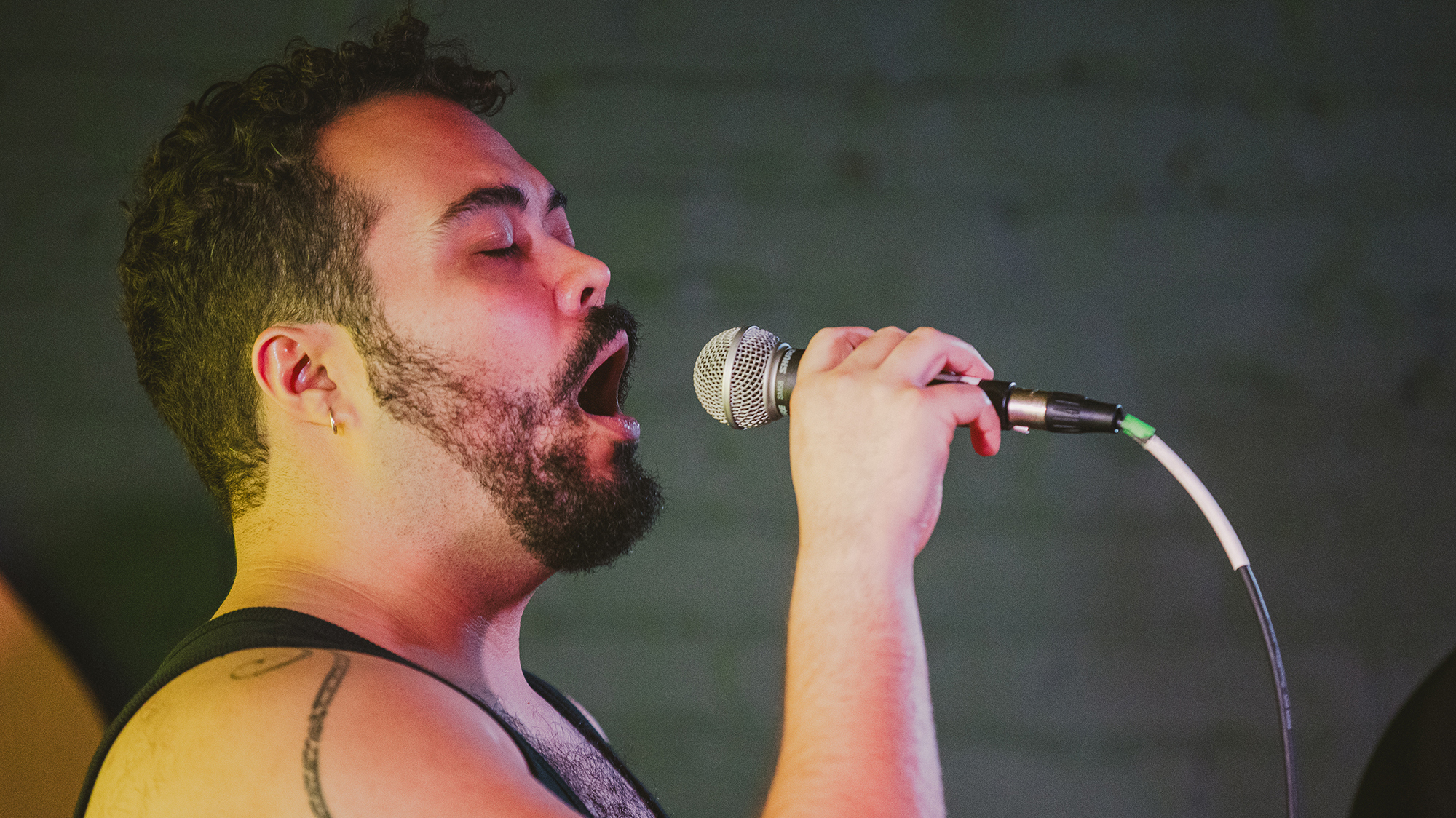
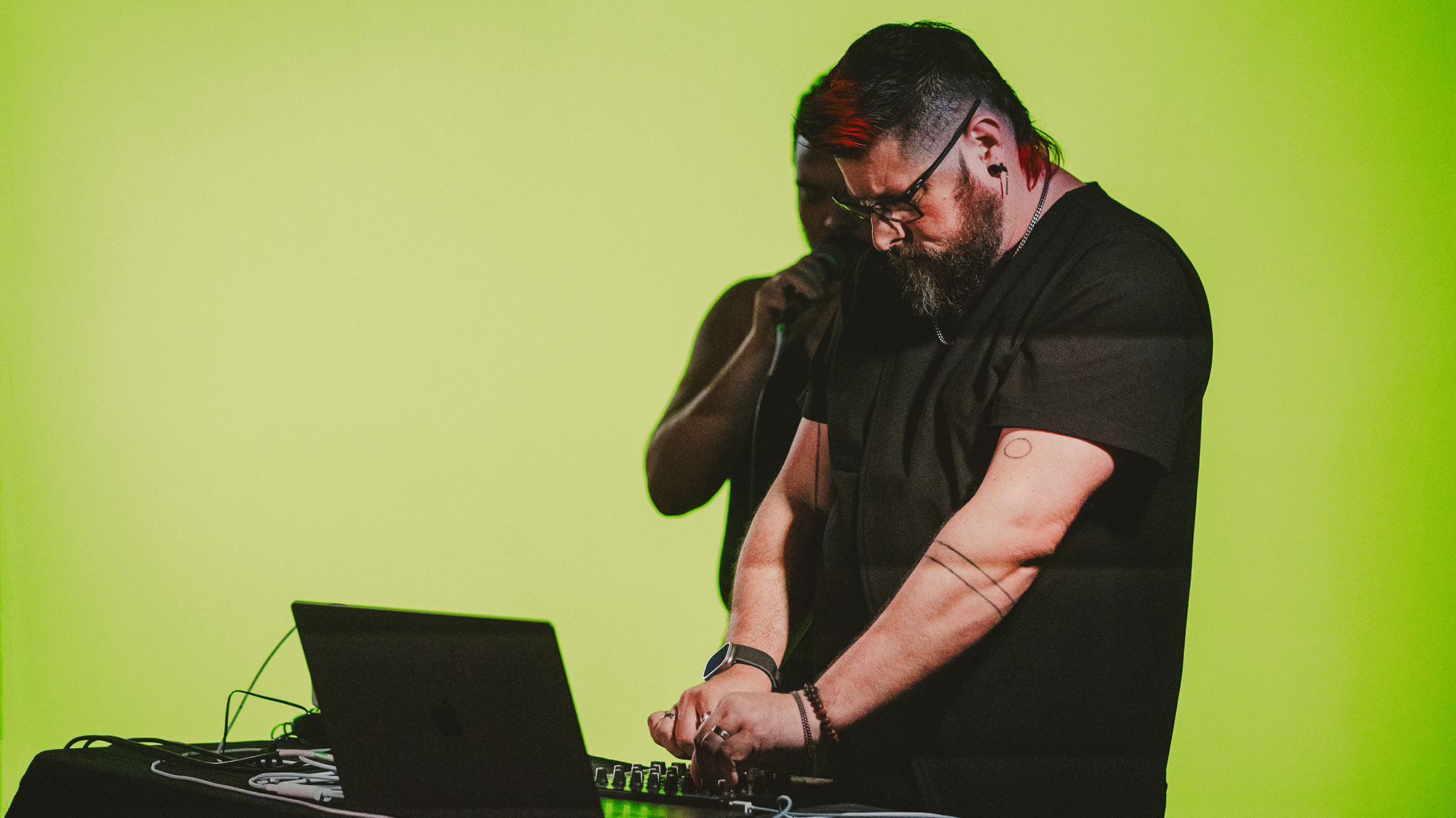
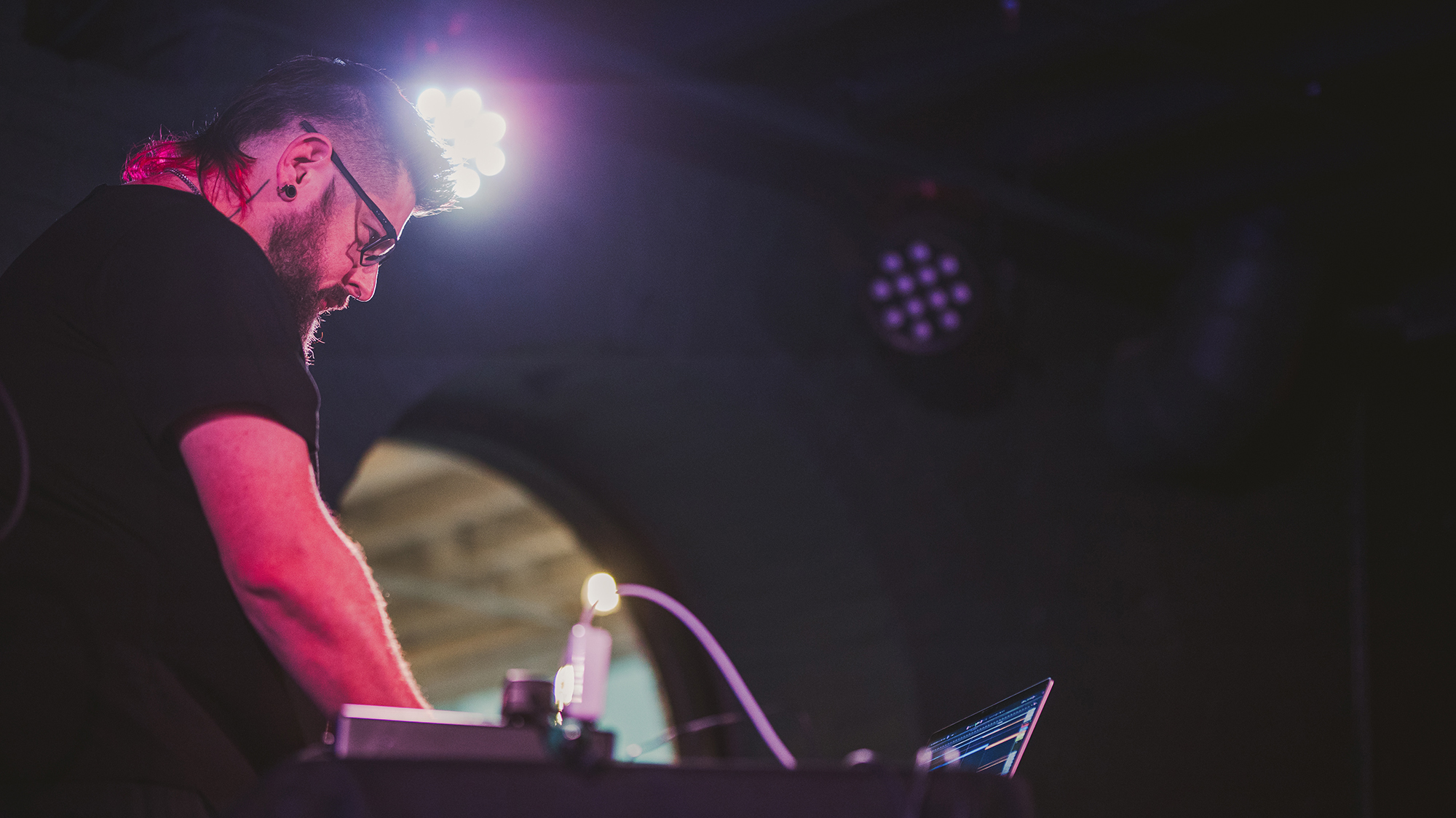
Live @ LOW END, photograph by Ben Semisch, courtesy of Bemis Center for Contemporary Arts
[FIG-01.006688.00006690]
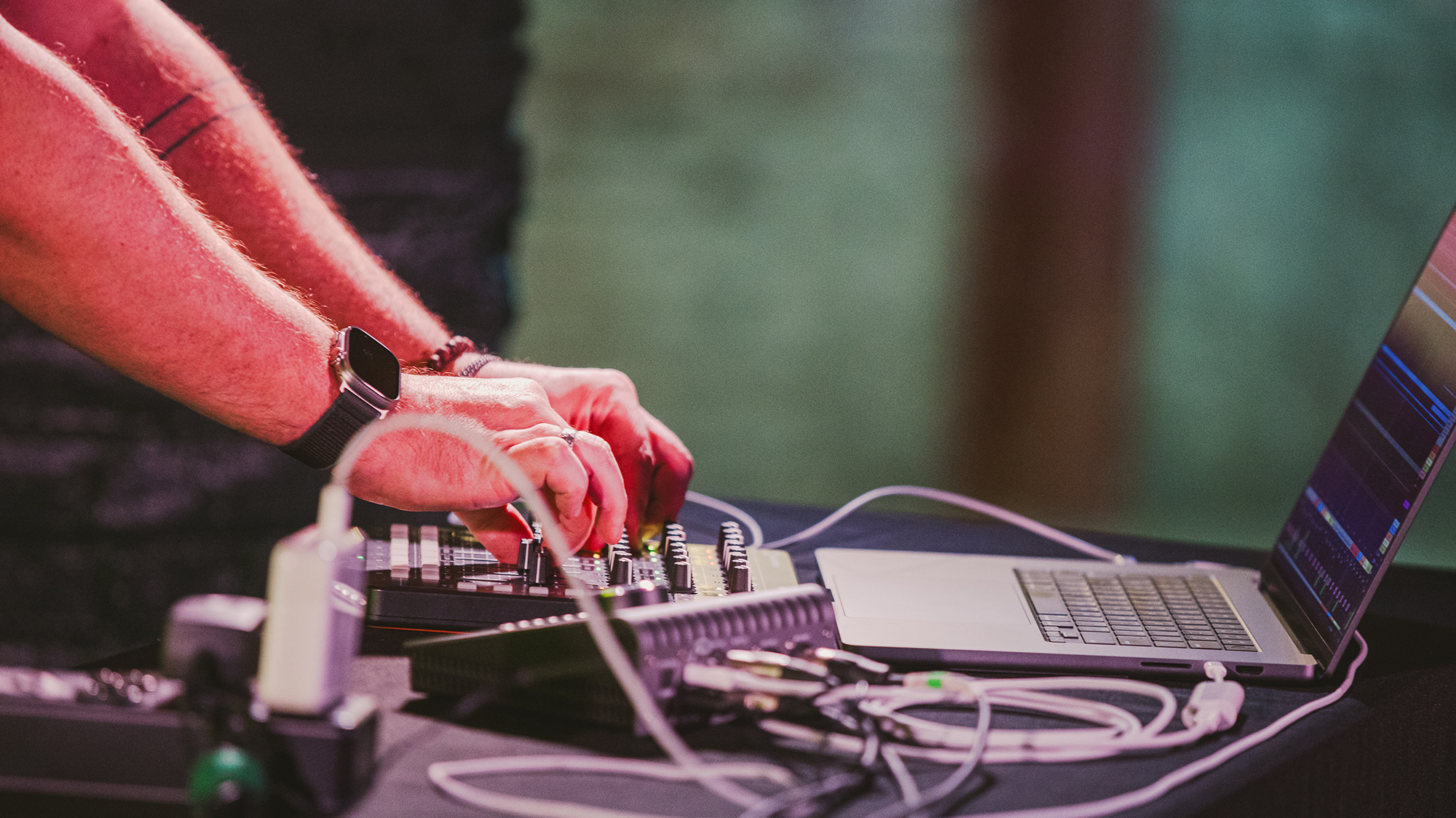
Live @ LOW END, photograph by Ben Semisch, courtesy of Bemis Center for Contemporary Arts
[FIG-01.006688.00006691]
Live @ LOW END, photograph by Ben Semisch, courtesy of Bemis Center for Contemporary Arts
[FIG-01.006688.00006692]
Live @ LOW END, photograph by Ben Semisch, courtesy of Bemis Center for Contemporary Arts
[FIG-01.006688.00006693]
Live @ LOW END, photograph by Ben Semisch, courtesy of Bemis Center for Contemporary Arts
[FIG-01.006688.00006694]
Live @ LOW END, photograph by Ben Semisch, courtesy of Bemis Center for Contemporary Arts
[FIG-01.006688.00006695]
Live @ LOW END, photograph by Ben Semisch, courtesy of Bemis Center for Contemporary Arts
[FIG-01.006688.00006696]
Live @ LOW END, photograph by Ben Semisch, courtesy of Bemis Center for Contemporary Arts

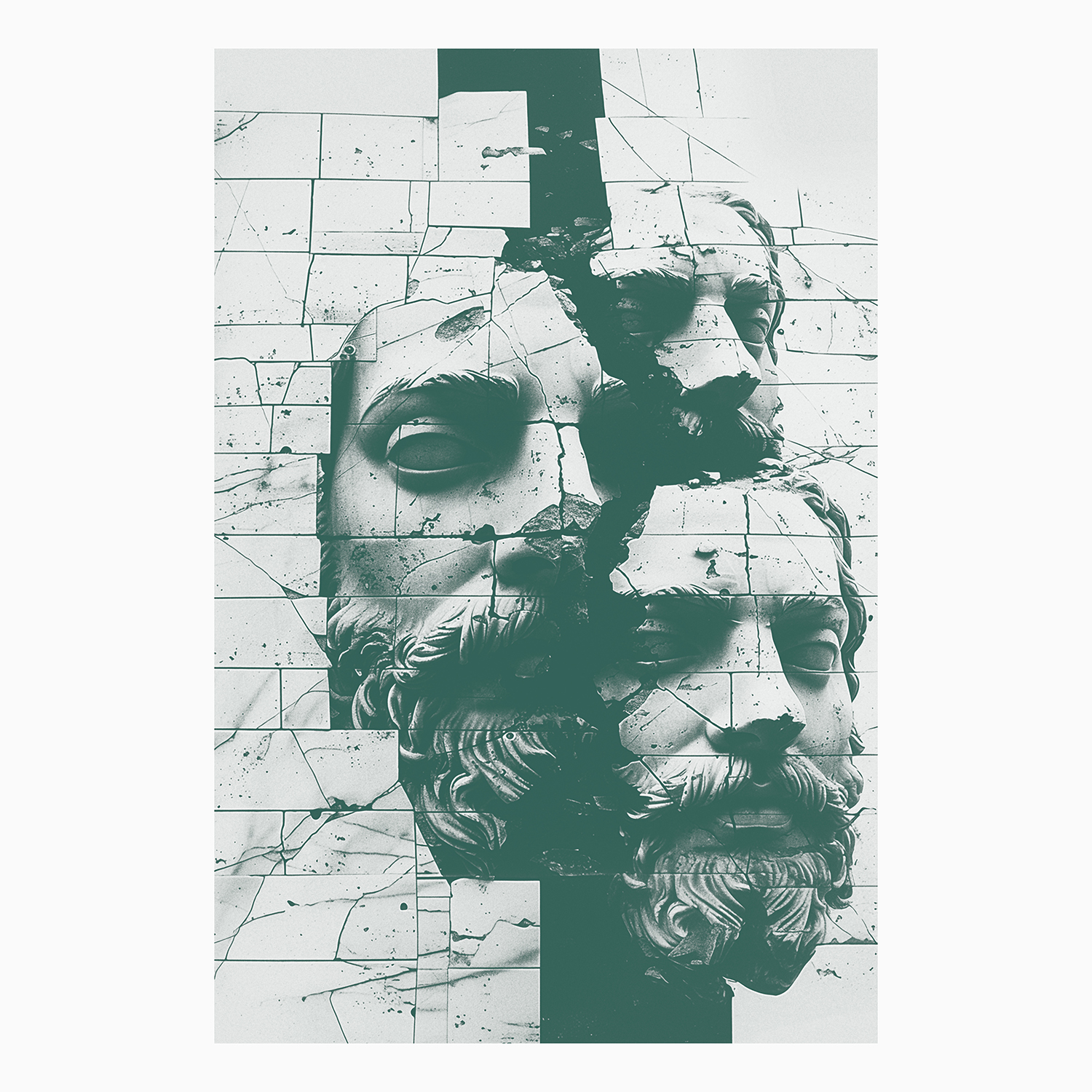
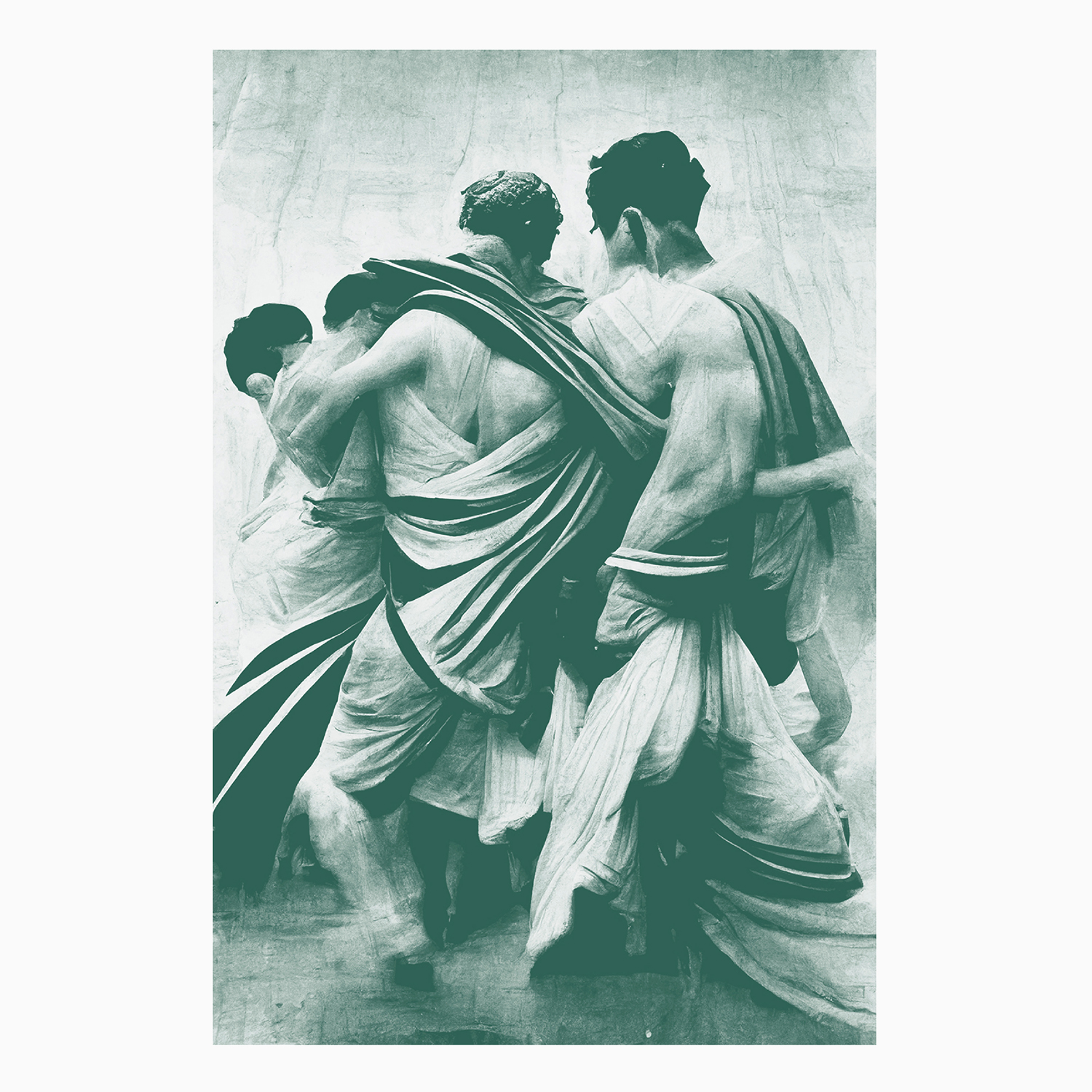
The Ship of Theseus is a thought experiment and philosophical paradox that raises questions about personal identity and the nature of change. The legend of Theseus describes how he rescues the children of Athens from King Minos’ minotaur. In commemoration, Athenians began a pilgrimage to honor his victory, taking the ship of Theseus and sailing it from Athens to Delos. It was with this tradition that a philosophical paradox about the historic ship was raised: As the ship was repaired, piece by piece, until it was no longer composed of any original parts, at what point could the ship no longer be considered the same entity?

The Voice of Theseus seeks to create a similar paradox informed by the artists perceptual difference: tinnitus, partial color blindness and dyslexia. The piece poses the question: how much can ones experience of reality diverge from others, through perceptual differences like these, and still be a shared experience? 

To achieve this, the sonic foundation of the piece is vocal recordings from vocalists Dorian Wood and G. Brenner. These recordings are manipulated to varying degrees throughout the piece in order to blur the line of recognizability. The performance further complicates this line with live improvised vocals by G. Brenner. His contributions subverts the one-to-one relationship of sound and visuals that is often present in audiovisual performances of this nature.

There’s no real way to know how great the disparity is between our observational experiences and another’s, and no clear limit of how many pieces of our shared reality can be removed before it stops being just that.

Learn More

Super Coherent Light

Video

Super Coherent Light premiered on Foxy Digitalis, you can watch and read what they said here.

Learn More

The Voice of Theseus

Audiovisual Performance

The Ship of Theseus is a thought experiment and philosophical paradox that raises questions about personal identity and the nature of change. The legend of Theseus describes how he rescues the children of Athens from King Minos’ minotaur. In commemoration, Athenians began a pilgrimage to honor his victory, taking the ship of Theseus and sailing it from Athens to Delos. It was with this tradition that a philosophical paradox about the historic ship was raised: As the ship was repaired, piece by piece, until it was no longer composed of any original parts, at what point could the ship no longer be considered the same entity?

The Voice of Theseus seeks to create a similar paradox informed by the artists perceptual difference: tinnitus, partial color blindness and dyslexia. The piece poses the question: how much can ones experience of reality diverge from others, through perceptual differences like these, and still be a shared experience? 

To achieve this, the sonic foundation of the piece is vocal recordings from vocalists Dorian Wood and G. Brenner. These recordings are manipulated to varying degrees throughout the piece in order to blur the line of recognizability. The performance further complicates this line by inviting a local vocalist (from the location its being performed) to perform some of the vocal parts. Their contributions subverts the one-to-one relationship of sound and visuals that is often present in audiovisual performances of this nature.

There’s no real way to know how great the disparity is between our observational experiences and another’s, and no clear limit of how many pieces of our shared reality can be removed before it stops being just that.

Learn More
Related Recordings & Publications

The Voices of Theseus 

Album

The legend of Theseus, who saved Athens’ children from the Minotaur, led to a commemorative pilgrimage involving the ship of Theseus, sparking a philosophical paradox: when does a ship, repaired piece by piece, cease to be the same entity?  

On my last album, I utilized the myth of Theseus’ ship as an ontological framework to tease at the nuances of sameness. Reality is elastic; it is a multifaceted composition that can be observed and interpreted, and altered, in an innumerable number of ways. The identity of an object or a moment is flexible, partially dependent on how it is perceived. And yet, because of my partial color blindness, dyslexia, and tinnitus, I can’t trust my own perception. There’s no real way to know how great the disparity is between my observed experiences and those of another. It is plausible then to suggest that there is no clear limit of how many pieces of our shared reality can be removed before it stops being just that.

On The Voices of Theseus, I sought to further complicate this framework. First I invited artists Madeleine Cocolas, Lawrence English, FAX, and Bana Haffar to remix tracks from the album, challenging the boundaries of authenticity, identity, and transformation. While these artists were working on their remixes I had the opportunity to perform this body of work with a number of live vocalists, the last of which was G. Brenner. Our performance pulled me so far outside my comfort zone, that I felt this experience should not be limited to performance alone. It was this desire that led to me inviting G. Brenner to the studio to record new versions of four tracks from the album.

Together these eight pieces create an alternate rendering of The Voice of Theseus, through different sets of eyes, ears, and perceptual differences. The Voices of Theseus invites listeners to question how these collaborators, and own their unique perceptions, might diverge from others’ highlighting the indeterminate nature of reality and the inherent uncertainty in shared experiences.

Learn More

The Voice of Theseus

Album

In a radical re-approach to his musical output, Yann Novak devises his most dynamic sonic offering to date. The Voice of Theseus, expands his mode of operation, inviting in key contributions from vocalists Dorian Wood and G.Brenner, both of whom contribute to the core compositional elements of the record. Starting at voice as a point of departure, The Voice of Theseus traces sensation and sense making as a primary means to understanding the reality we find ourselves within, a reality that is fraught by, and forged by, our own physiological and psychological ways of being. This record significantly expands Novak’s oeuvre and in doing so opens an entirely new chapter in his practice.

A note from Yann Novak:

In Greek mythology, the legend of Theseus describes how the king-founder of ancient Athens rescues the children of his city from King Minos’ minotaur on the island of Crete. In commemoration, Athenians began a pilgrimage to honor his victory, taking the ship of Theseus and sailing it from Athens to Delos. It was with this tradition that a philosophical paradox about the historic ship was raised: As the ship was repaired, piece by piece, until it was no longer composed of any original parts, at what point could the ship no longer be considered the same entity?

In recent years, I’ve become interested in exploring the perceptual differences I experience. While some of these differences—partial color blindness and dyslexia—have been with me my entire life, tinnitus caused by hearing damage is a relatively new change to how I experience the world. It is these sensory challenges which have shaped my artistic practice by creating what I call a perceptual insecurity—an uncertainty of how accurately I discern the world around me. 

The Voice of Theseus is my attempt to explore the obstacles I face in processing external sensory information. If I have trouble perceiving reds and greens, if I have trouble hearing certain frequencies, if I don’t interpret written language in a standard way, how closely can I experience reality in the way that others experience it? The album asks the listener to question how their unique means of perception and interpretation might differ from that of others.

For The Voice of Theseus, I asked two of my favorite vocalists to assist with this experiment. Both Dorian Wood and G.Brenner recorded vocals for me to manipulate throughout the album. If their original audio is Theseus’s ship, the changes I make to their voices are like the Athenians replacing each of the original vessel’s pieces. And so, how far can these vocals be pushed while still remaining attached to the vocalists’ identities? Where lies the separation between the source materials and the objects they’re used to create?

The myth of Theseus’ ship allowed me to tease at the nuances of how reality can be observed, interpreted, and altered in an indeterminate number of ways; it can be dismantled and rebuilt, many times over. And yet, because of my internal circumstances, a perceptual insecurity remains. As flexible as the true nature of an object or moment may be, inaccuracy looms. There’s no real way to know how great the disparity is between my observational experiences and another’s, and no clear limit of how many pieces of our shared reality can be altered—before it stops being just that.
Learn More